Neighbour

Neighbour


“A man was going down from Jerusalem to Jericho, when he was attacked by robbers. They stripped him of his clothes, beat him and went away, leaving him half dead. A priest happened to be going down the same road, and when he saw the man, he passed by on the other side. So too, a Levite, when he came to the place and saw him, passed by on the other side. But a Samaritan, as he traveled, came where the man was; and when he saw him, he took pity on him. He went to him and bandaged his wounds, pouring on oil and wine. Then he put the man on his own donkey, brought him to an inn and took care of him. The next day he took out two denarii and gave them to the innkeeper. ‘Look after him,’ he said, ‘and when I return, I will reimburse you for any extra expense you may have.’
“Which of these three do you think was a neighbour to the man who fell into the hands of robbers?”
The expert in the law replied, “The one who had mercy on him.”
Jesus told him, “Go and do likewise.”

The Who and How of ‘Neighbour’
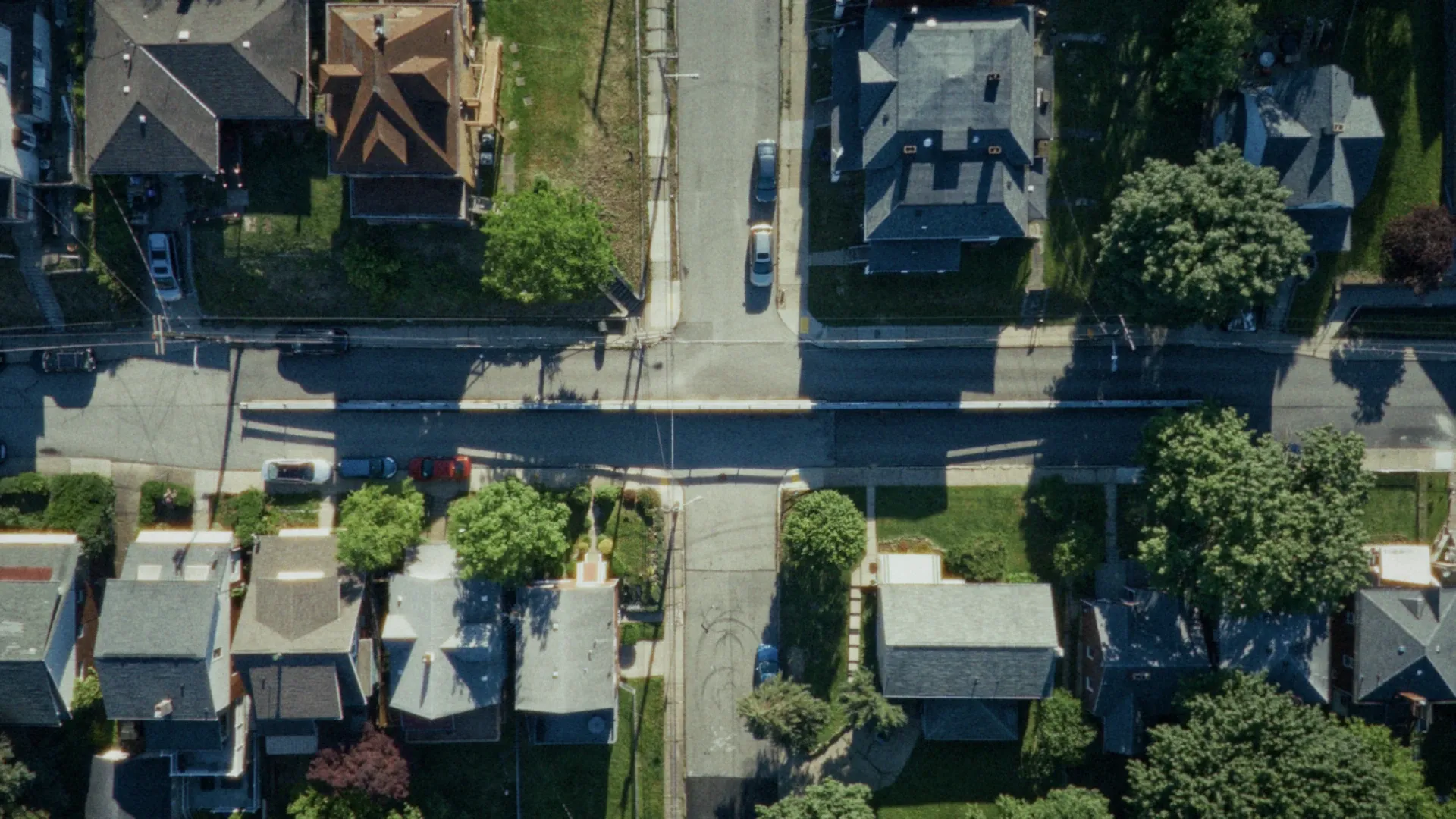
The Good Samaritan emphasizes that the true neighbour is not selected; rather, it is encountered authentically. Unlike other relationships –romantic, friend, familial– the relationship between neighbours arises not out of immediate benefit or necessity. Neighbours are forged through shared circumstance, location, and community.
The demand by Jesus in Luke 10 requires honesty with yourself –to be aware of how you can and should love– and an embrace of the other –to enact your charity and goodwill toward anyone you encounter.
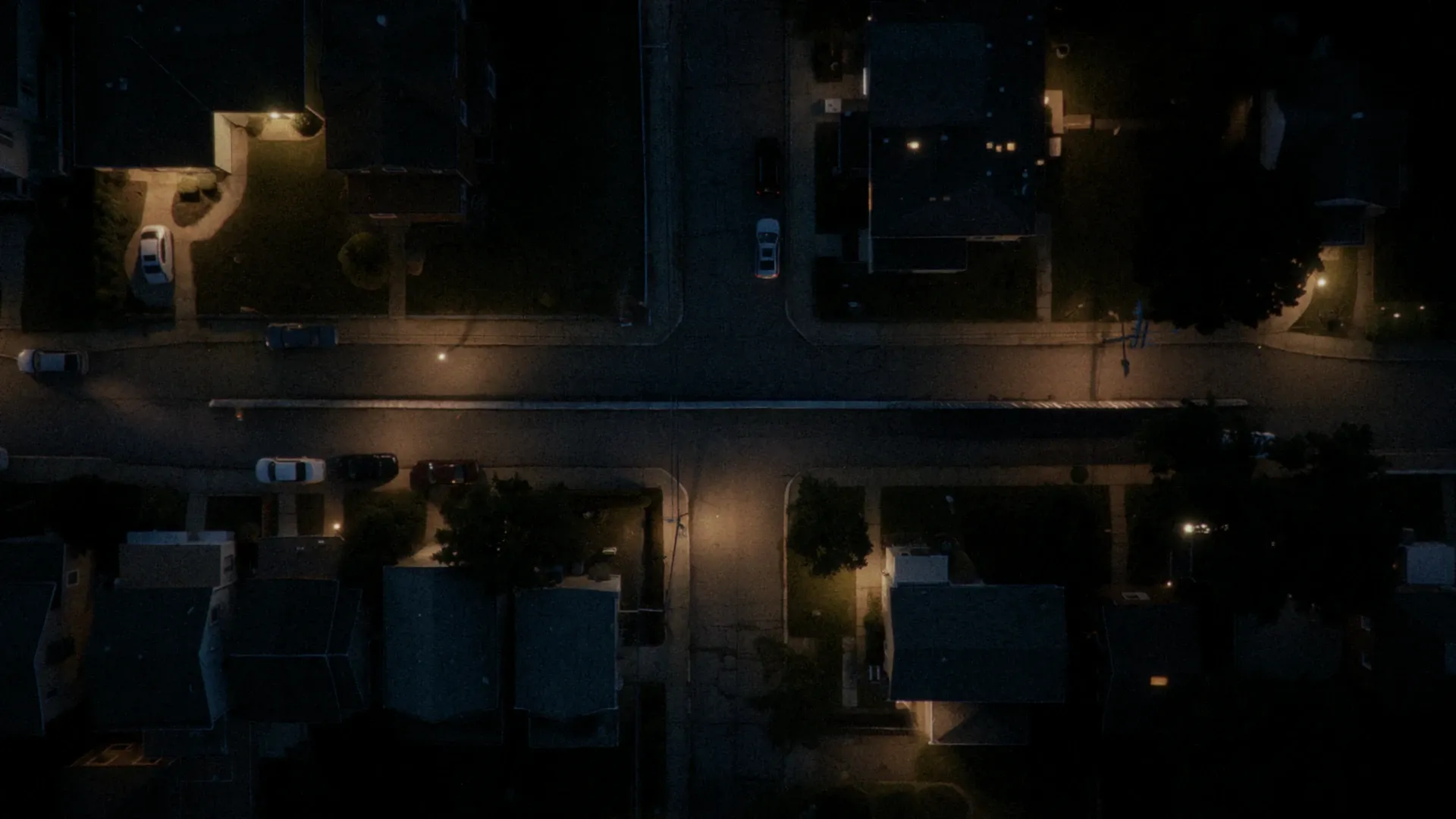
The example of the Samaritan challenges the curation practices of technology, which embed a logic of preference. It perhaps could be telling us to resist the way technology frames rejection and acceptance as flippant and negotiable. From online dating applications to calendar invites, we are conditioned to normalize the dismissal of the “unwanted”. The neighbour, as given, instead presents a responsibility and demand to see others in their full humanity and cherish them as such.
In Luke, the Samaritan does not help his neighbour because they support the same sports team or work together in the same office. We actually know little about who the man is, but only that the Samaritan “took pity on him” (in the Greek it translates to ἐσπλαγχνίσθη (esplanchnisthē), meaning to feel compassion, have pity on, be moved).
Jesus’ example of the Good Samaritan inverts the question, “Who is my neighbour?”, to who you are as a neighbour.
Films to Consider
The two films recommended have two different tones and encounters of neighbour: one is warm, the other is unsettling misperception. Both highlight one end of the spectrum of engagement with neighbours.
GUTS
- Directed by
- Margaux Susi
- Written by
- Jan Rosenberg
- Starring
- Angela Giarratana, Kate Burton
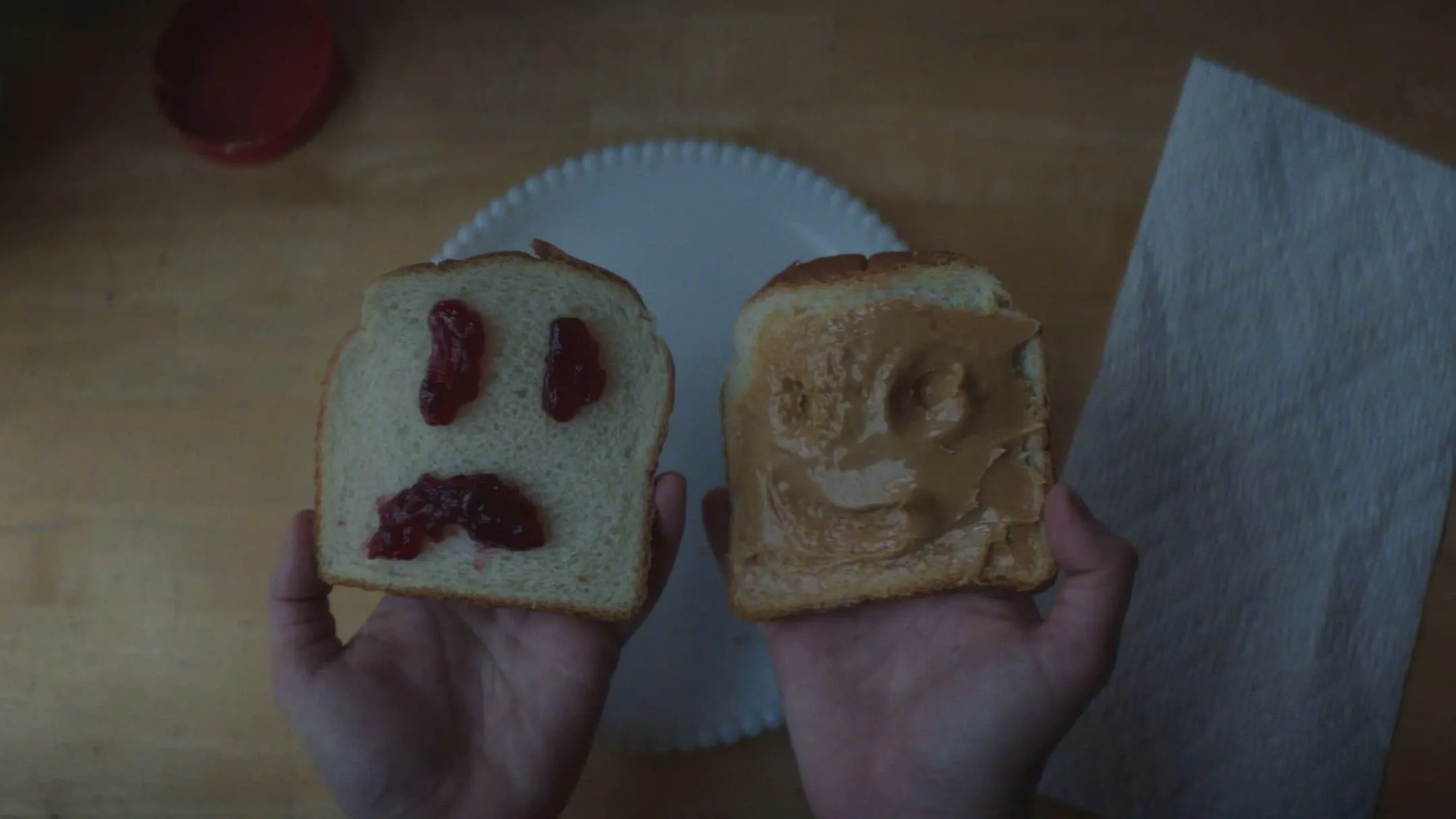
This short film follows two strangers, Amelia and Gabby, as they share a meal. Amelia is just returning home from her time spent at an inpatient center as she works through an eating disorder. Gabby acts as Amelia’s accountability and support, despite being a stranger. Dispelling the usual niceties that accompany interactions between strangers, Amelia and Gabby engage in honest dialogue about who they are and how they are doing.
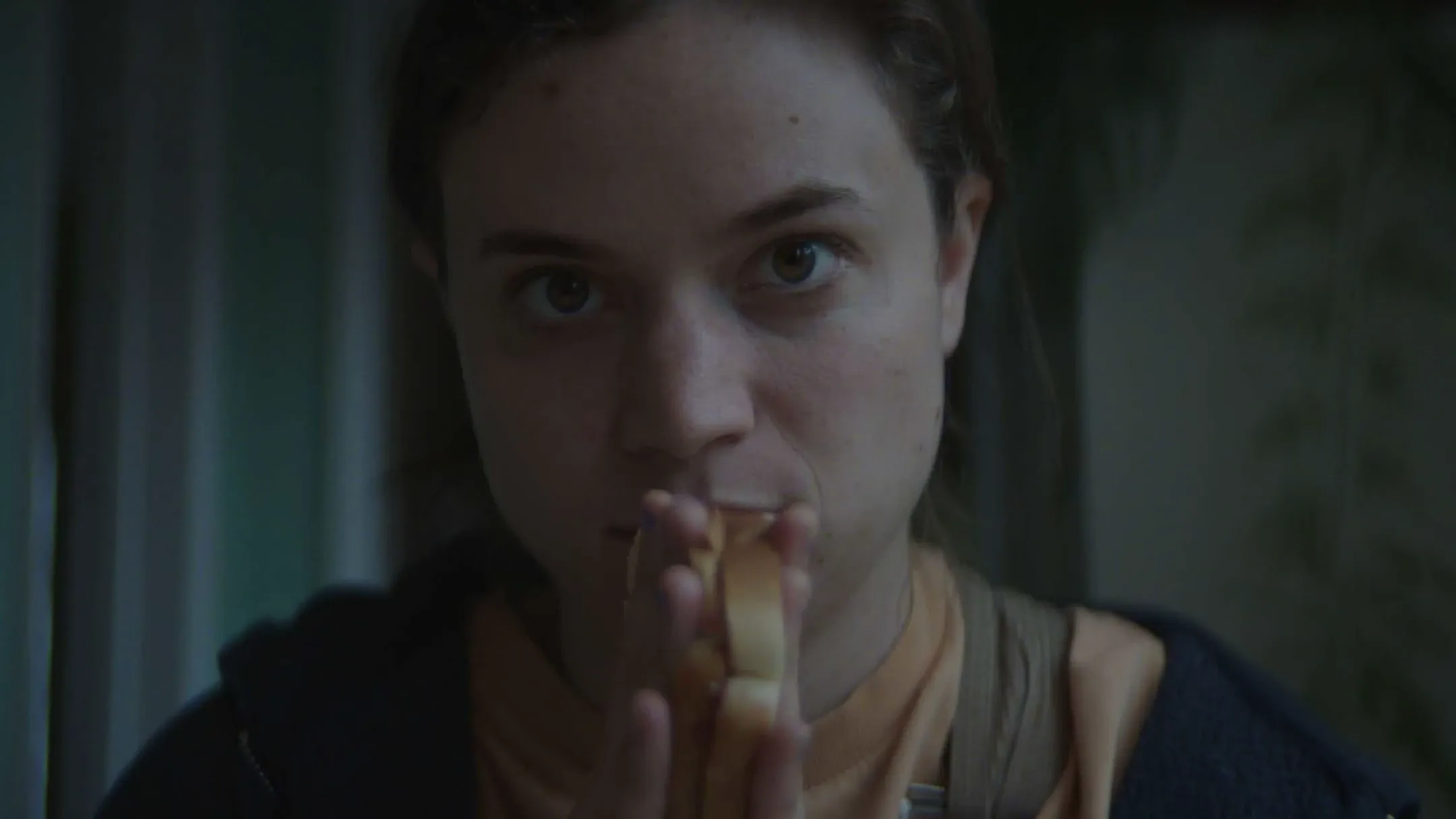
Through their shared experiences of isolation, these women form a connection not because they have been matched by a curated system or because they present idealized versions of themselves, but because they meet one another in the ordinary realities of life as their raw, unfiltered selves. They were, in every sense of the word, neighbours to one another.

The Neighbors’ Window
- Written & Directed by
- Marshall Curry
- Inspired by a true story by
- Diane Weipert
The 20-minute drama explores how we survey, curate, and perceive one another. Though the film does not explicitly involve the technological dimensions of these actions, it considers how perceptions of others are formed–often acting as self-projections, rather than accurate judgments.
It centers on a young family, composed of a middle-aged couple and their three children, and their new neighbours, a young, jovial couple, who move into the building directly across from their flat. With no curtains, this young couple lives their life uninhibitedly, throwing parties, having sex, and capturing what the older couple deems as the pinnacle of youth.
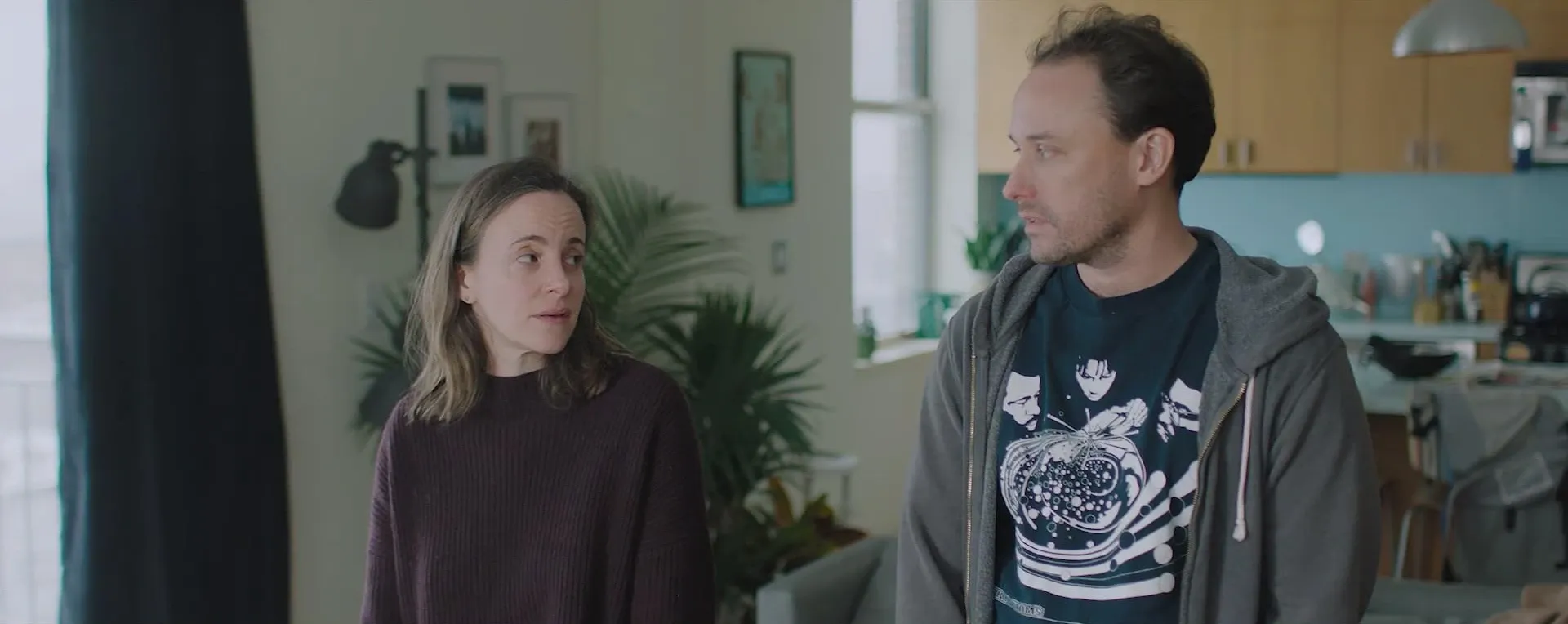
The film reaches its culmination when the discontented mom of the young family sees the husband of the young couple pass away. Rushing outside to find her neighbour grieving her husband’s death, the mom gives her a hug. As she does, the young widow recognizes the mom from the ‘happy family’ she and her husband would watch. While saying this, the film reveals how incomplete our perception of one another often is, even when we believe we are witnessing the most unfiltered moments of another person’s life. If we can misunderstand those who live directly across from us, how much further removed are we from truly knowing one another in an age increasingly mediated by technology? While digital platforms are frequently celebrated as tools of connection, the film raises a more unsettling question: do they actually bring us closer to others, or merely closer to our perceptions of them? As social media encourages us to curate, perform, and consume carefully constructed versions of ourselves, and as artificial intelligence increasingly mediates our interactions, the question of what it means to be genuinely with and for another person becomes increasingly obscured. By contrast, the neighbour as given compels us to move beyond self-perception and orchestration into the reality of encounter. It requires stepping through the glass, as the film suggests—leaving the safety of observation and entering the world of experience, touch, embrace, vulnerability, and grief.

Starting points / different perspectives for consideration:
- Will AI ever be conceived as a fellow neighbour, should it?
- How does technology alter our ability to truly know another person?
- What is lost when relationships become increasingly curated, filtered, and mediated?
- Can genuine neighbourliness exist without physical presence and shared experience?
- To what extent do social media and AI reinforce our existing perceptions rather than challenge them?
- What distinguishes observing another person from encountering them?
Lily Davis
Theologian
Lily is a lifelong lover of film and is studying for a Master's in Theology at Yale Divinity School.
Related

Biblical Lenses
Identity
Uncovering Face and Name: how identity is grounded in encounter, recognition, and relationship.
Lily Davis

Biblical Lenses
Imagination
The serious pursuit of imagination, and the power of stories to bring new worlds into being.
Lily Davis

Biblical Lenses
Grief
Lament, the multiplicity of memory, and whether AI can participate in it or only simulate it.
Lily Davis