Grief
Grief


Then David took hold of his clothes and tore them, and all the men who were with him did the same. They mourned and wept and fasted until evening for Saul and for his son Jonathan and for the army of the Lord and for the house of Israel, because they had been struck down by the sword.
Saul and Jonathan, beloved and lovely! In life and in death they were not divided; they were swifter than eagles; they were stronger than lions.
O daughters of Israel, weep over Saul, who clothed you with crimson, in luxury, who put ornaments of gold on your apparel.
How the mighty have fallen in the midst of the battle! Jonathan lies slain upon your high places.
I am distressed for you, my brother Jonathan; greatly beloved were you to me; your love to me was wonderful, passing the love of women.
How the mighty have fallen, and the weapons of war perished!

Grief, Lament, and the Work of Memory

Within biblical studies, 2 Samuel 1:19–27 is typically classified as a Hebrew poetic lament and has generated extensive debate over its historical, rhetorical, and translational dimensions. Yet these scholarly concerns often feel detached from the lived and devotional reality of grief in which the passage is often read.
One Hebrew Bible Scholar resists this disciplinary separation by reframing the poem as an experience of catharsis. He says it is:
primarily an experience of what it is to be fully human, a reabsorption into collective myth and a consummation of feeling… the sense of renewed understanding that any great poem or performance gives us.
Landy illustrates how the biblical texts of grief and lament, while informational about ancient mourning practices, more fundamentally reveal the experience of being human in the face of death. Landy challenges the academic community to see biblical grief first through a human lens.
Attempting to do just that, I consider moments of biblical grief, like David mourning Saul and Jonathan, as something bound up with memory.
Death is universal and unavoidable: everyone we love and everyone who loves us will die. But I believe through memory we live on and film might just be the way to capture this phenomenon.
The biblical narrative repeatedly returns to memory as an act of mourning and connection. The Bible itself can even be read as an archive of remembered lives, remembered covenants, and remembered encounters between God and people. It is, in the most simplistic and honest sense, a book of memory.
Memory also reveals a deeper paradox: death’s simultaneous universality and radical particularity. Everyone dies, yet no two experiences of death are identical.
A funeral contains multiple, overlapping losses because identity is manifold. When my grandfather passed away, it was not just the loss of my ‘Papa’, but the loss of a father, a husband, a brother, a colleague, a US fighter pilot, a poet, a cowboy. While we all collectively grieved Bill O’Brien, that person embodied different roles and animated different memories for each of us.
Death does not produce a single meaning; it multiplies meaning through the perspectives of those left behind. The multiplicity of death, revealed and preserved in memory, attests to the density of a human life. Biblical lament operates in the same register. David’s mourning is situated within his historical and political world, expressed through ritual actions such as tearing garments. Yet his grief also attempts something more enduring: the preservation of memory through speech, song, and public narration.
The act of lament becomes an act of refusal to let death dissolve the person into silence.
In that sense, the central question is not whether death is final, but whether memory constitutes an ongoing presence. Memory is fragile, contested, and shaped by those who carry it. Yet it is also what allows the dead to persist within the living world.
Memory configures not only in biblical narratives of death and grief but currently acts as the lynchpin of developing grief technology. This technology commodifies memories by externalizing, simulating, and automating memories and personal data of those who are dead or dying.
Dr. Nathan Mladin points out how this is potentially perilous and exploitative.
We do not fully understand the brain’s coding system and how, for example, complex concepts or episodic memories are stored in the brain’s neural networks. Some theories suggest that memory is distributed diffusely across the brain rather than stored discretely in synapses. If we lack insight into the formatting of memory, can we assume that merely simulating cell interactions would reliably generate a person’s implicitly learned, felt, and embodied life experiences?
Mladin does not merely ask whether grief technology should form or store memories, but whether what grief technology deals with even is memory.
As artificial intelligence increasingly intersects with practices of remembrance and mourning, this becomes a critical question: can AI participate meaningfully in memory, or does it only simulate it?
If memory is more than data—if it is relational, embodied, and ethically charged, as the Biblical witness portrays it to be—then what, if anything, is AI providing?
Films to Consider
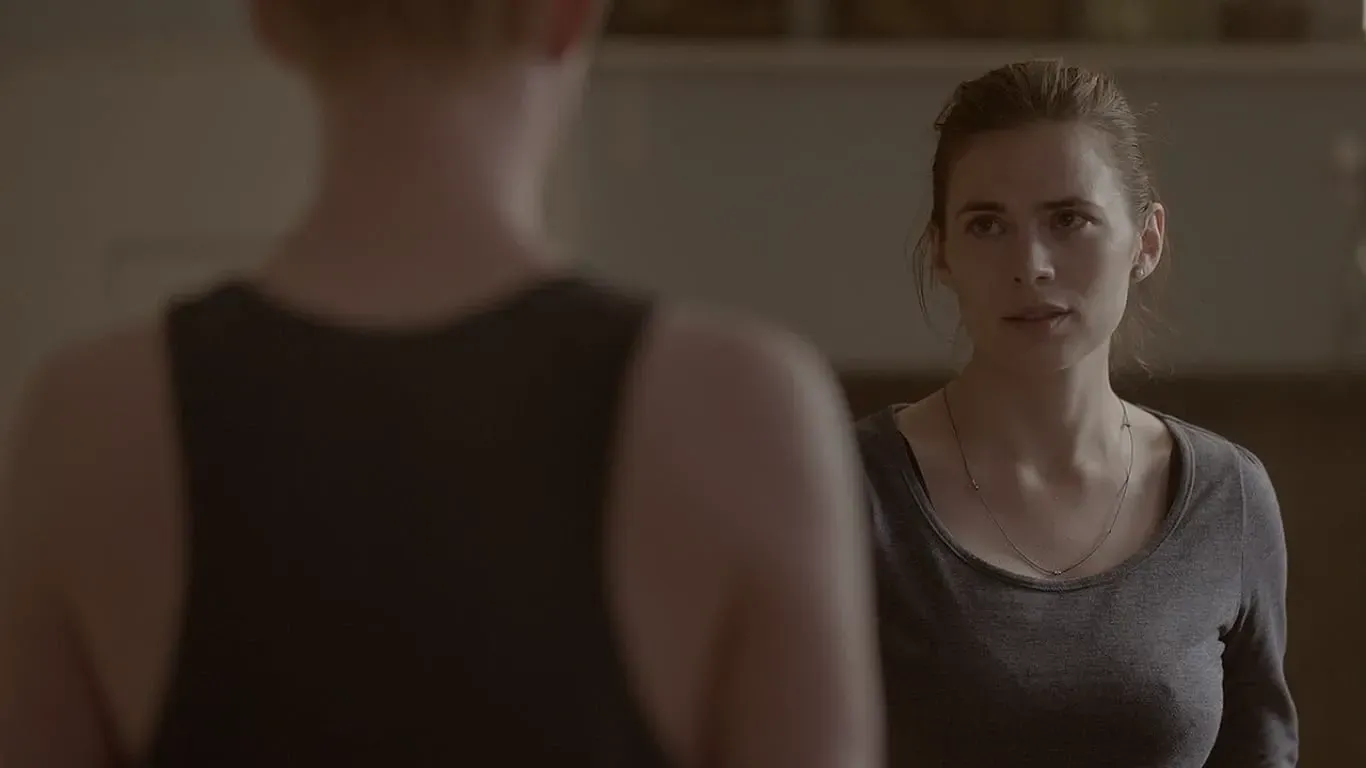
Black Mirror: Be Right Back
- Created by
- Charlie Brooker
- Directed by
- Owen Harris
- Starring
- Hayley Atwell, Domhnall Gleeson
The Netflix series Black Mirror is a dystopian drama that centers on the impact of technological advancements on humanity. The first episode in season two, “Be Right Back,” centers on grieving widow Martha, who communicates with an AI version of her boyfriend, Ash. Once she uploads his personal data, including his voice, the chatbot becomes her companion in mourning.
Yet as the story progresses, Martha purchases a robot version of her boyfriend, driven especially by her pregnancy with Ash and her child. In doing so, the bounds of reality are muddied, where the robot looks, speaks, and feels, even anatomically so, the same as Ash.
But the temporary solace she receives quickly dissipates when she recognizes the limitations on the robot’s ability, grappling with the fact that he is not truly her departed beloved, saying, “You’re not you. You are just a few ripples of you. There’s no history to you. You’re just a performance of stuff that he performed without thinking, and it’s not enough.”
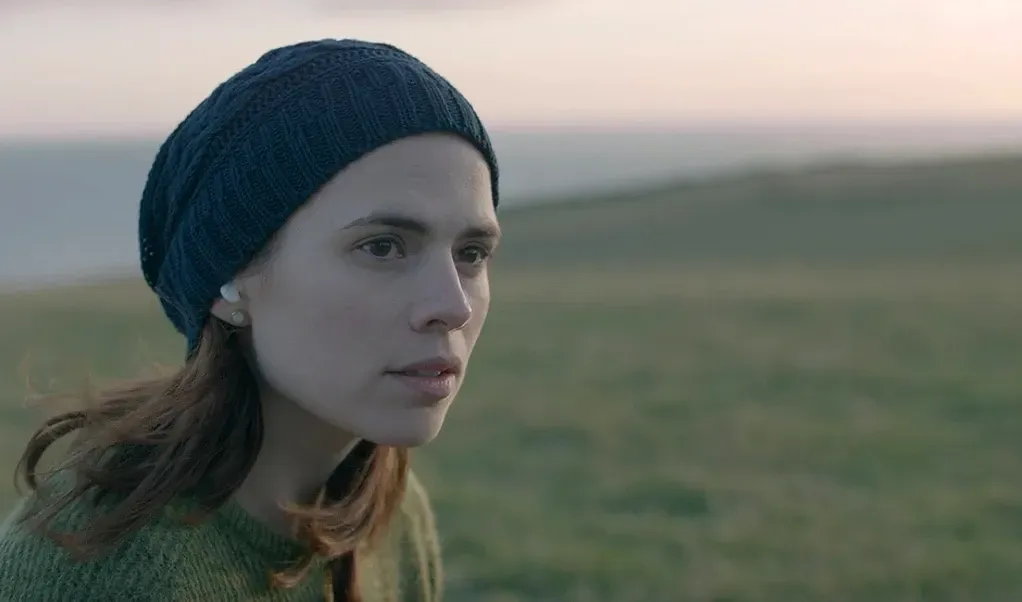
Martha is void of relational connection to the robot, realizing it cannot have the desire, reaction, or capacity to be the one who has died. However, instead of disposing of the robot, the episode takes a deceptive turn, ending with a snapshot of the future: her daughter is older, and we see that the robot Ash is up in the attic, and the daughter gets to visit him on special occasions and weekends. The ending highlights that, even after Martha realizes the robot’s lack of humanity and its replication, she forms an attachment that cannot be severed.
Is the grief technology that we have now exploitative in the same fashion? Are the ripples of those we love worth the risk? Even if AI cannot preserve memories in a fully satisfying way, can it instead generate new memories that are equally valuable? Would David have bought a griefbot of Jonathan if he could?
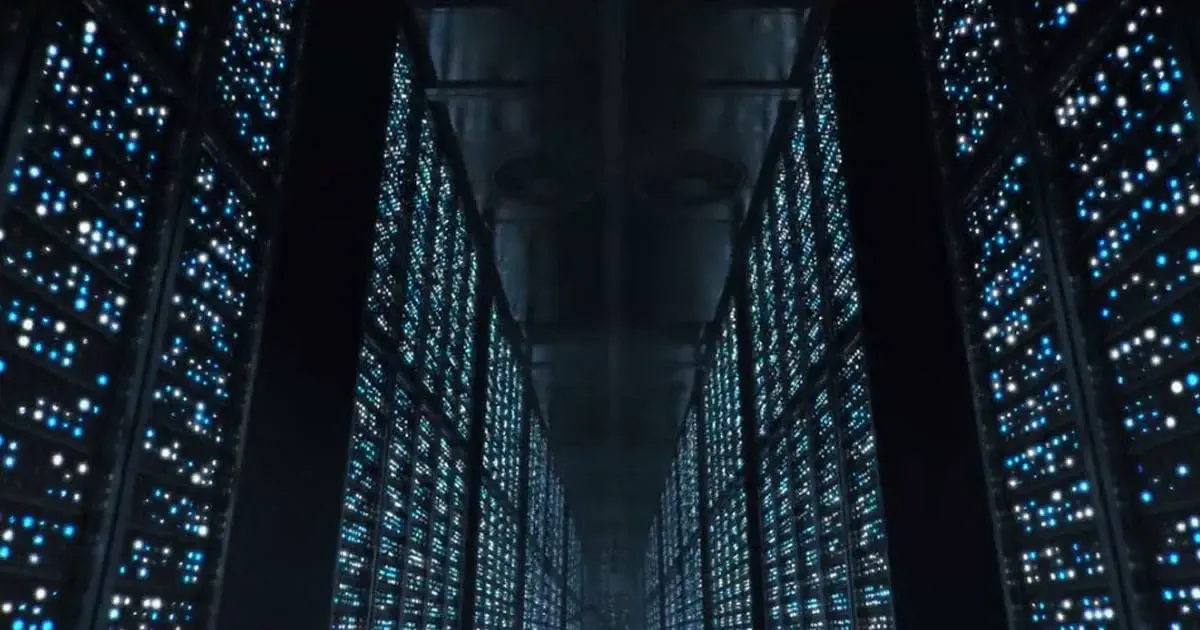
Black Mirror: San Junipero
- Created by
- Charlie Brooker
- Directed by
- Owen Harris
- Starring
- Gugu Mbatha-Raw, Mackenzie Davis
Another episode, “San Junipero” (S3 E4), depicts a simulated reality that is a digital afterlife where one’s mind can live on after death. The episode narrates two women who grapple with the moral, emotional, and ethical dilemmas of choosing to live in San Junipero after they have died.
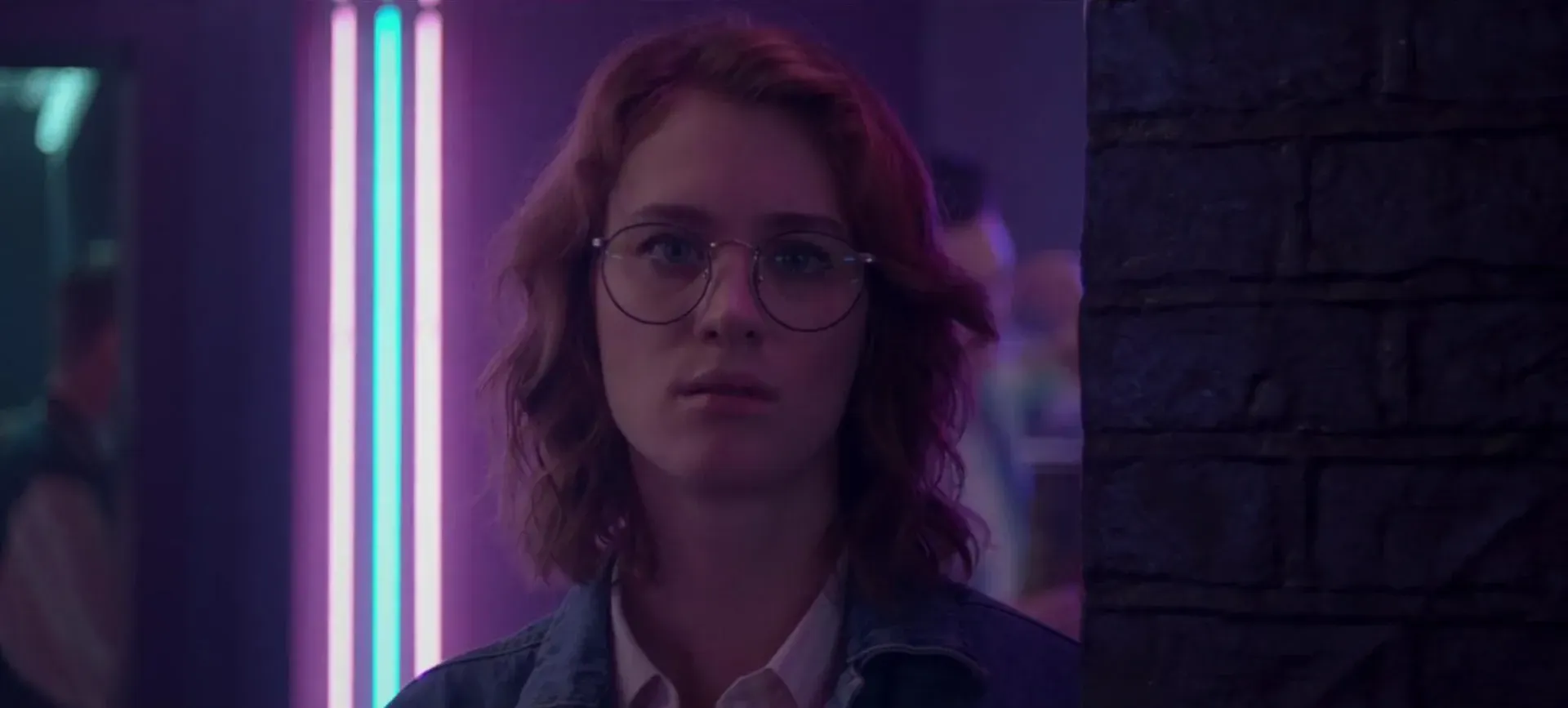
Considering the particularity of death, dying, and grief, the two women’s experiences in San Junipero are distinct. For one, it is a liberative force, giving her the chance to have a body she has long not enjoyed since having cerebral palsy. For the other, it is a reminder of those who are not there: her husband and daughter who have died and chose not to live in San Junipero. Is there harm in this type of technology if you don’t believe in the afterlife? Will death hold the same meaning if technology creates virtual immortality? How do spiritual afterlives compare to virtual afterlives?

The Phone Call
- Directed by
- Mat Kirkby
- Starring
- Sally Hawkins, Jim Broadbent
The 2013 short film “The Phone Call” tells the story of Heather, a volunteer hotline operator at a crisis center. Stan calls in, reluctantly sharing the nature of his crisis. As the call goes on, Stan speaks more candidly about the death of his wife, Joan, lamenting about how he constantly waits for her to return home through the front door, but it always stays closed. Admitting that he has overdosed on prescription antidepressants, Heather asks to call an ambulance, but all Stan desires is for her to be there, present, as he dies. This film does not invoke artificial intelligence but emphasizes how technology, like a phone, can mediate presence in vulnerable moments, such as at the moment of death.
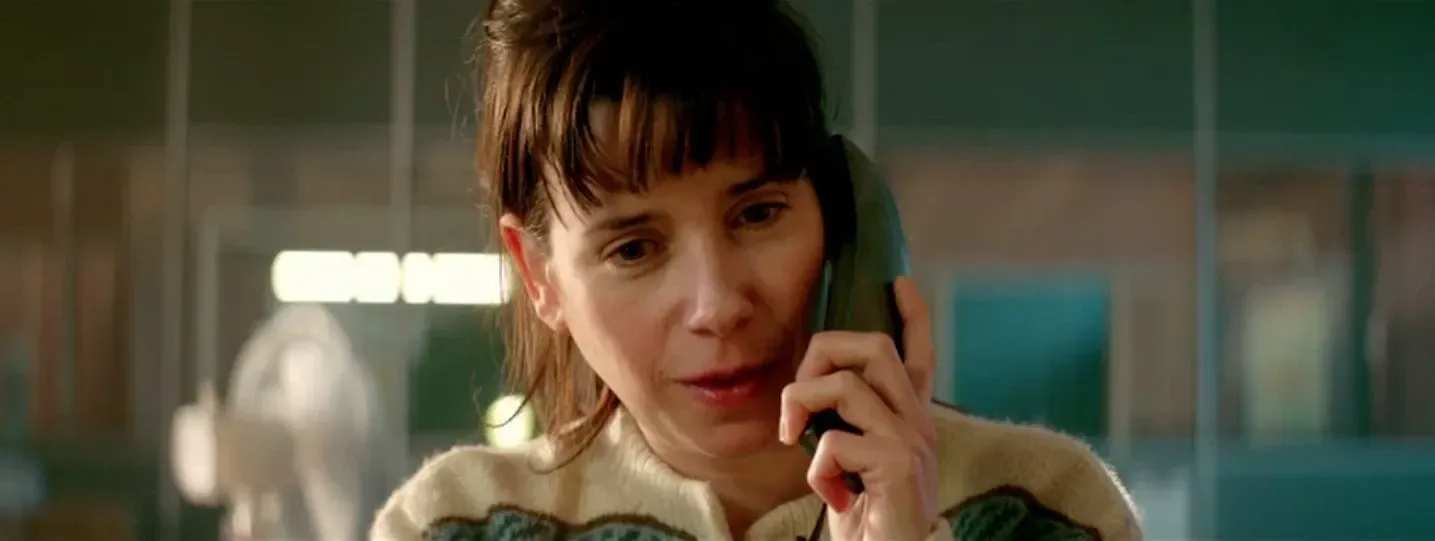
As Heather asks Stan to share more about Joan, he explains her love of music and how he would play in a jazz band at Ronnie Scott’s, a place Heather used to love going to. In his final moments, Stan urges Heather to return to Ronnie Scott’s, and the film concludes with two striking notes on memory. One about the power of the memories we loved, depicting Stan’s memory of his beloved Joan coming through the front door. The other is about how we enact memories, allowing people to live on in us, as Heather is depicted returning to Ronnie Scott’s at Stan’s request. What is the need for virtual immortality when we can live on forever in the lives of all the people we leave behind? Is it enough to be a legacy like Stan, quietly existing in Heather’s decision to return to both of their beloved Ronnie Scott’s?
The short film showcases how memory is shared, forged, and preserved in and through death. Technological advances like call centers and telephones made these memories generative, but can AI and grief technology do the same? Can we reduce religion to memory?

Starting points / different perspectives for consideration:
- Can AI participate meaningfully in memory, or does it only simulate it?
- Would David have bought a griefbot of Jonathan if he could?
- Is there harm in this type of technology if you don’t believe in the afterlife?
- Will death hold the same meaning if technology creates virtual immortality?
- What is the need for virtual immortality when we can live on forever in the lives of all the people we leave behind?
- Can we reduce religion to memory?
Lily Davis
Theologian
Lily is a lifelong lover of film and is studying for a Master's in Theology at Yale Divinity School.
Related
Biblical Lenses
Identity
Uncovering Face and Name: how identity is grounded in encounter, recognition, and relationship.
Lily Davis

Biblical Lenses
Imagination
The serious pursuit of imagination, and the power of stories to bring new worlds into being.
Lily Davis
Biblical Lenses
Neighbour
Who is my neighbour? The Good Samaritan, the curated logic of technology, and the neighbour as given.
Lily Davis