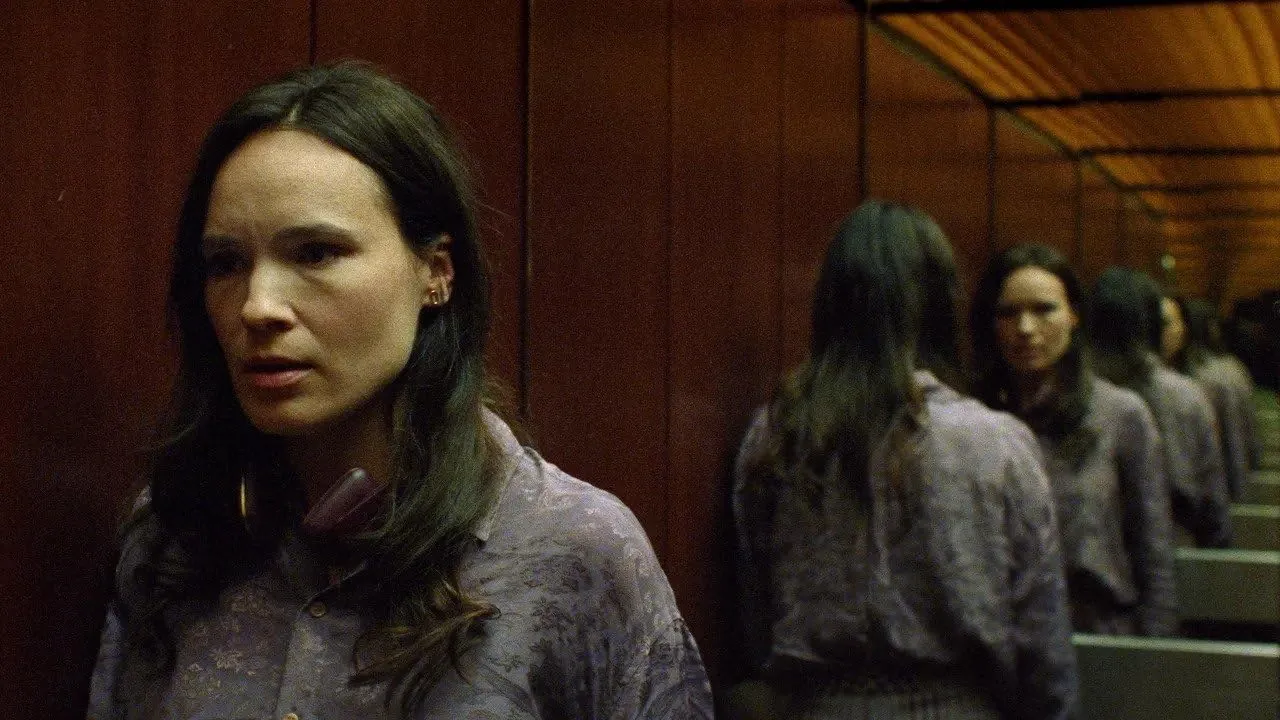
I'm not a Robot
Films that we think are examples of shorts that play into the theme of our new commissioning question: “What does it mean to be human in the age of AI?”

Luke Walton
What begins with an irritating CAPTCHA test becomes a provocative exploration of identity, consciousness and what it really means to be human. I'm not a Robot (Ik ben geen Robot) is a darkly funny, moving film about identity, autonomy and what happens when somebody else claims the right to define who you are. Written and directed by Victoria Warmerdam and starring Ellen Parren, it won the 2025 Academy Award for Best Live Action Short Film.
The film opens to dulcet choral tones and what appears to be office humour around the ever-irritating CAPTCHA test that we have all had to take. But this swiftly brings deep and dark layers of anxiety around identity, all brilliantly wrapped and beautiful contrasted with a choral cover of Radiohead’s “Creep”. We find ourselves asking not simply ‘what does it mean to be human?’ but also ‘what does it mean to be, but not human?’
At first, Lara’s problem appears to concern classification. The computer has placed her in the wrong category.
But the deeper problem is recognition.
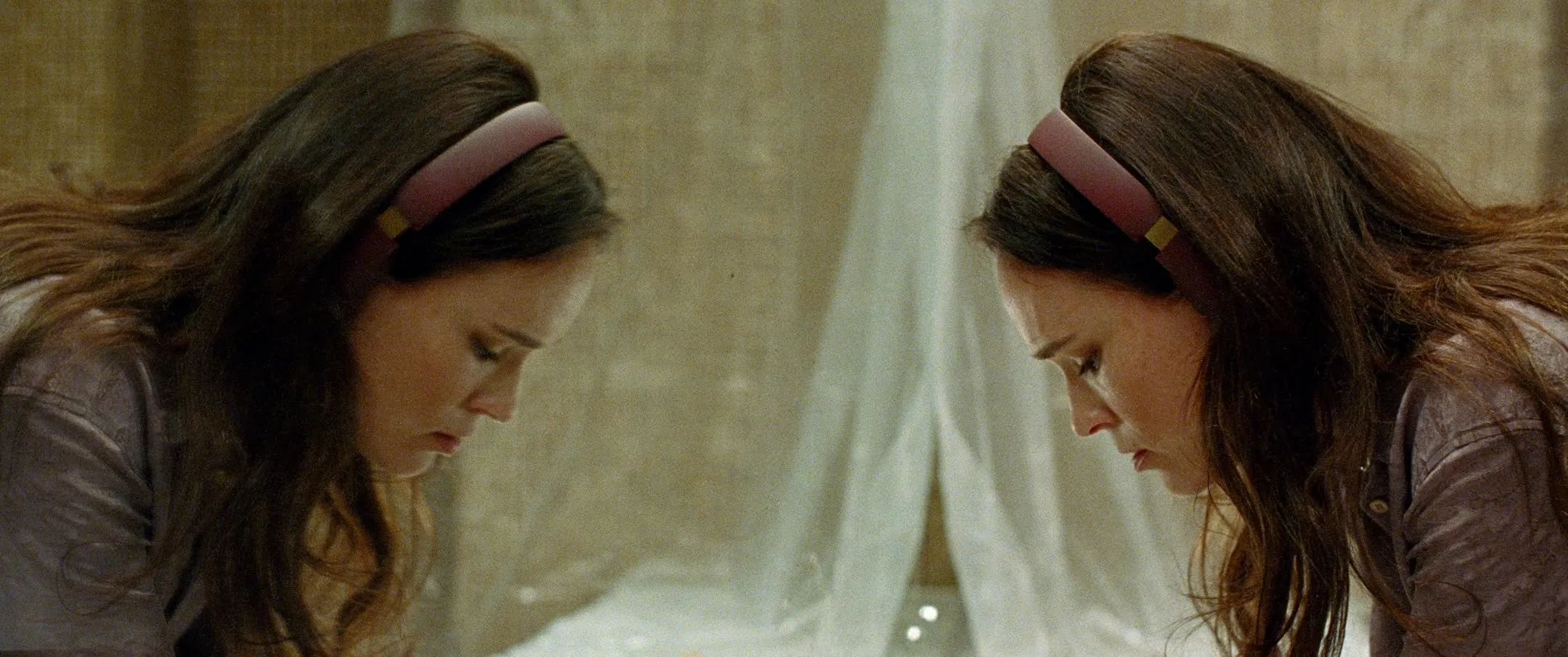
Lara already possesses many of the qualities we associate with human life. She experiences annoyance, embarrassment, fear, anger and a desire for freedom. Yet once she is identified as a robot, the people around her begin to interpret those qualities differently. Emotion can be dismissed as programming. Memory can be treated as stored information. A relationship can be reframed as ownership.
The irony is that Lara, supposedly the film’s machine, displays its most vivid emotional life. Several of the human characters behave in ways that are cold, procedural and instrumental.
Perhaps the film is therefore turning the CAPTCHA test back upon us.
Its most important question may not be: Can Lara prove that she is human?
It may be: Can the people around Lara respond humanely to the conscious being before them?
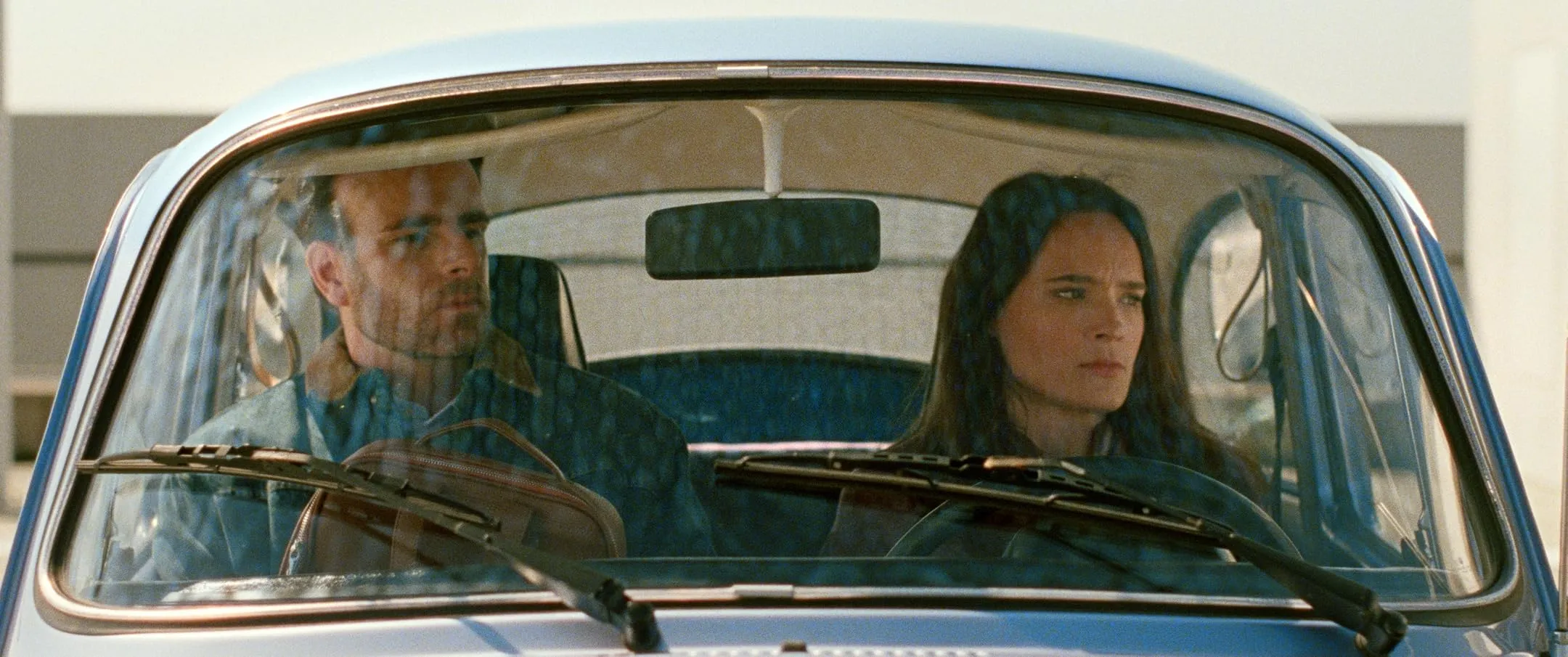
This connects with Lily Davis’s reflection on Identity, in which face and name are more than identifying features. They are acts of attention and recognition, communicating that a life is particular, visible and worthy of relationship.
One question to carry away:
If Lara thinks, feels, remembers and suffers, what more would we need before treating her as a person?
Or
Questions to ponder for longer:
- What is the difference between being named, being recognised and being classified?
- Can Lara’s relationship - or any relationship - be loving if its fundamental terms have been withheld from her?
- What aspects of ‘freedom’ are uniquely human?
- How different to an android’s reactions are human emotions shaped by biology, family, culture and experience?
- What might it mean to become a neighbour to an artificial being?
Luke Walton
Founder & Director
Luke is the founder and director of The Pitch and its production arm, Reel Issues Films. He has been developing and producing films since 2008.